TABLE OF CONTENTS
Initial Setup
- Run RemoteAgentToolkit.exe.
- This will generate a configuration.json file in the same directory as the agent.
- Close the RemoteAgent.Toolkit.exe
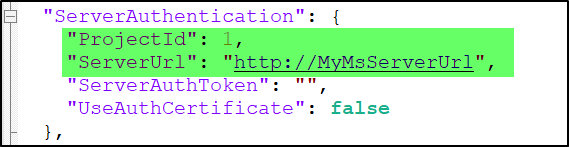
Set the location and Project of the MS Server to connect to. The project id must match the corresponding project id in the DMZ.
Open configuration.json in Notepad and configure the following settings:
"ProjectId": 1,
"ServerUrl": "http://servername",
Authentication
The Remote Agent Toolkit supports two types of authentication. MS API Auth Token and Client Certificate.
MS API Auth Token
An API token is generated by an MS engineer and will be provided.
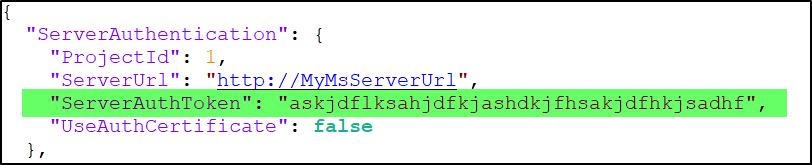
- Open configuration.json in Notepad and configure the following settings:
- "ServerAuthToken": "tokenValue..xxxxxx",
- Save and close configuration.json.
Client Certificate
Client Certificate auth is involves creating a certificate on the client and sharing that certificate with the MS Server to ensure only traffic originating from the client machine can talk to the MS server
1. Enable Client Certificate Auth
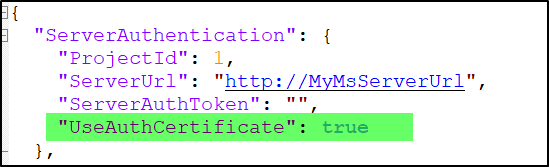
- Open configuration.json in Notepad and configure the following settings:
- "UseAuthCertificate": true,
- Save and close configuration.json.
2. Generating and Sending the Certificate
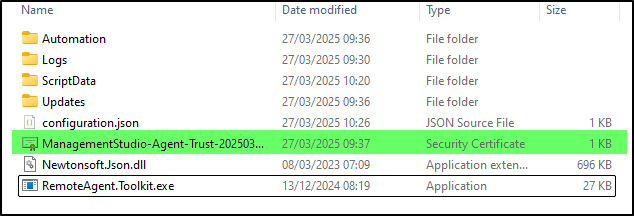
- Run RemoteAgent.Toolkit.exe again.
- This will create a local certificate file, e.g., ManagementStudio-Agent-Trust-xxxx.cer.
- Close the agent.
- Send the ManagementStudio-Agent-Trust-xxxx.cer file to the MS server team.
3. Configuring the Server
- Browse to the ManagementStudioFiles storage folder.
- Locate the corresponding project folder.
- Create a folder within the corresponding Project called 'EdgeServerCerts'.
- Place the ManagementStudio-Agent-Trust-xxxx.cer file in the EdgeServerCerts folder inside the project’s storage directory.
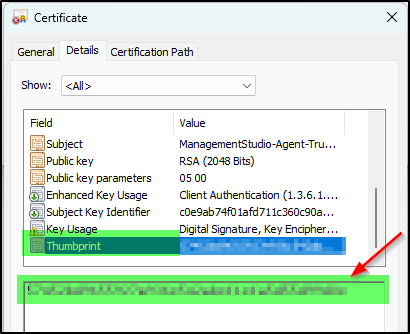
- Retrieve the certificate thumbprint:
- Double-click ManagementStudio-Agent-Trust-xxxx.cer and go to Properties to find the thumbprint.
Edit appSettings.json:
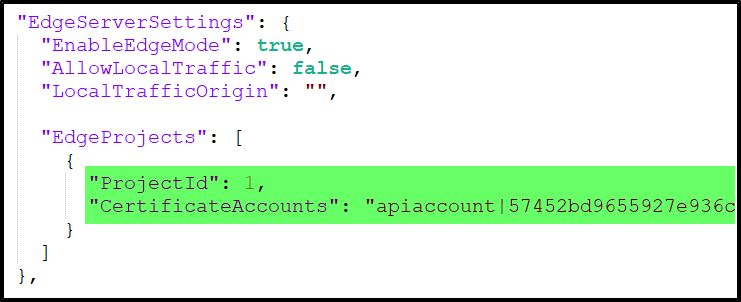
- Add the thumbprint to the CertificateAccounts section in appSettings.json:
- e.g. "CertificateAccounts": "apiaccount|57452bd965592xxxxxxx"
- Replace "apiaccount" with the account that the Agent will be logged in as.
- Save the changes.
- Restart the MS Application Pool.
4. Running the Agent
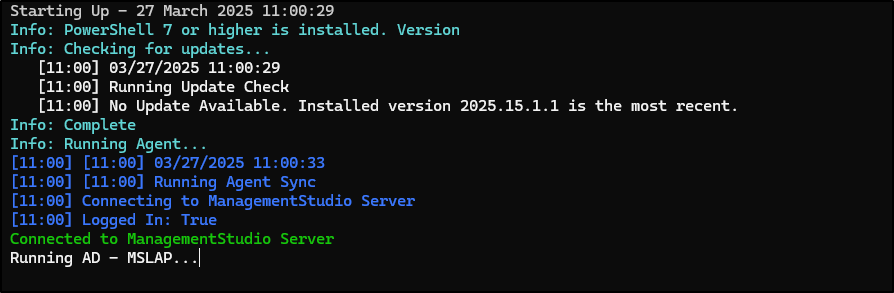
Back on the Agent machine, run RemoteAgent.Toolkit.exe again. The Agent should now log into MS and run and any scheduled connectors or events.
Inventorying MS Project Online
Inventorying Microsoft Project Online requires specific permissions to access project data stored in SharePoint. Because of these requirements, the user must authenticate interactively. This means:
- They must run Inventory MS Project Online.cmd from the agent folder.
- They must sign in to Azure when prompted.
- They must have an active Microsoft Project license.
- They must have access to the relevant MS Project Online sites.
In addition, the Azure App used by ManagementStudio to authenticate with Azure must be configured with the permissions outlined below.
Running the MS Project Online Inventory
- Configure an Azure Connector in ManagementStudio (with the configuration below)
- Run the Remote Agent Toolkit sync
- Run the 'Inventory MS Project Online.cmd'
Azure App Configuration
Certificates & Secrets
- Certificate-based authentication is required to connect to the SharePoint API.
Authentication
- Enable the following mobile and desktop flows: Yes
- Mobile and desktop applications – Redirect URIs: http://localhost
API Permissions
- SharePoint - Delegated - Read user projects
- SharePoint - Delegated - ProjectWebApp.FullControl
Important Notes
Because delegated permissions are used, the user running the Remote Agent Tool must:
- Have a valid Microsoft Project license
- Have access to the required MS Project Online sites
Further Support
If you require further support, please visit ManagementStudio's Service Desk to search the knowledge base or create a new support ticket
Was this article helpful?
That’s Great!
Thank you for your feedback
Sorry! We couldn't be helpful
Thank you for your feedback
Feedback sent
We appreciate your effort and will try to fix the article